
Main Courses
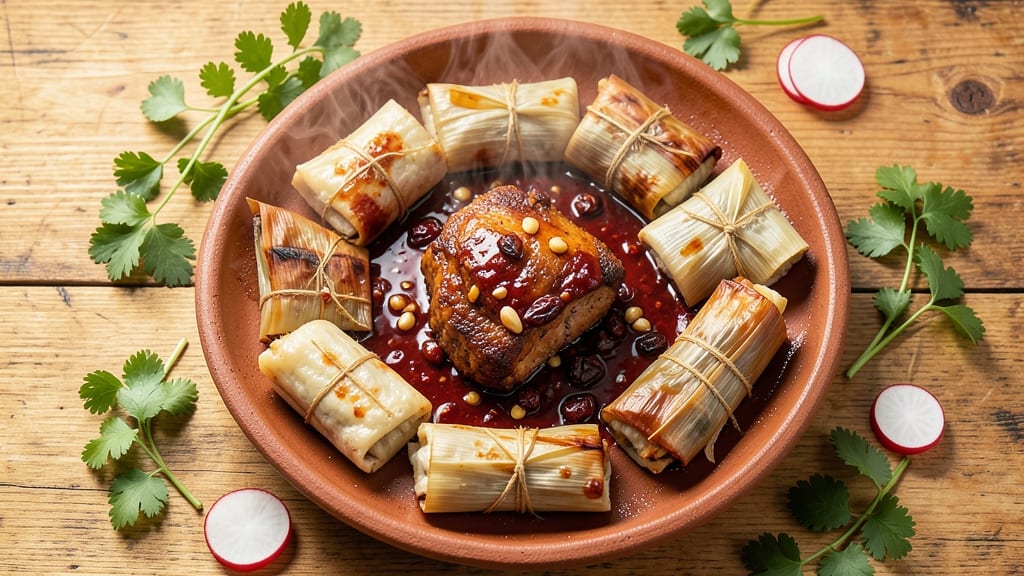
An authentic red pork tamales recipe from scratch brings the soul of Mexican tradition to your kitchen with every steamed bite. I first learned this recipe from my abuela, who insisted tamales were more than food—they were love wrapped in masa and corn husks. The secret lies in the tender, spiced pork filling and the delicate balance of lard-infused masa that creates that signature melting texture when steamed.
This recipe delivers restaurant-quality tamales from scratch, with no shortcuts that compromise authenticity. We'll start with homemade masa dough—just the right consistency to cling to corn husks without tearing—and build a rich red pork filling marinated overnight in achiote, garlic, and vinegar.
The slow cooking process transforms tough pork into fork-tender morsels infused with smoky, earthy flavors.
What makes these tamales special is the foolproof technique for perfect assembly: thin, even layers of masa that steam into tender perfection while maintaining their shape. The aroma alone—warm masa, spiced pork, and citrus—will have your kitchen filled with the comforting scent of tradition.
Each bite delivers that perfect harmony of textures: crisp edges, tender filling, and masa that practically dissolves on your tongue.
Perfect for celebrations, family gatherings, or when you crave the warmth of homemade comfort food. The process takes time, but the results are worth every minute of preparation. Let's get started on creating tamales that taste like home.
Ingredients for authentic red pork tamales recipe from scratch
Twelve essential ingredients transform your kitchen into abuela's tamalera with every vibrant bite.
| Ingredient | Amount | Notes |
|---|---|---|
| Pork Shoulder 🥩 | 3 lb | Bone-in for flavor, cut into 1-inch cubes |
| Achiote Paste 🌶️ | 2 tbsp | Traditional for vibrant color and earthy flavor |
| White Vinegar 💧 | ½ cup | For tenderizing pork overnight |
| Garlic Cloves 🧄 | 8 cloves | Minced finely for aromatic depth |
| Dried Guajillo Chiles 🌶️ | 4 whole | Stems/seeds removed, toasted and blended |
| Dried Ancho Chiles 🌶️ | 2 whole | Stems/seeds removed, toasted and blended |
| White Onion 🧅 | 1 whole | Chopped medium-fine for filling |
| Fresh Cilantro 🌿 | ¼ cup | Chopped, stems removed |
| Lard 🧈 | 1 cup | Leaf or leaf lard for authentic texture |
| Massarepa 🌾 | 2 cups | Pre-cooked masa harina for base |
| Masa Harina 🌾 | 4 cups | Maseca or similar for homemade masa |
| Warm Water 💧 | 2 cups | For masa dough consistency |
| Corn Husks 🌽 | 24 whole | Medium-sized, soaked 1 hour |
| Salt 🧂 | 1 ½ tsp | Diamond Crystal kosher preferred |
| Ground Cumin 🌿 | 1 tsp | Toasted for deeper aroma |
| Black Pepper 🌶️ | ½ tsp | Freshly cracked for heat |
The pork shoulder is non-negotiable—bone-in for maximum flavor, and pork butt from Whole Foods or your local butcher delivers that melt-in-your-mouth texture. Achiote paste gives those signature red hues and earthy depth; Penzeys carries authentic versions if you can't find it in Latin markets. For the chiles, dried guajillo and ancho are essential—stems and seeds removed before toasting. Toast them in a dry skillet until fragrant, then blend with boiling water to make a smooth paste. The lard? Leaf lard is traditional—Costco sells it in bulk, or sub with bacon fat if you're in a pinch.
No achiote? Paprika plus a pinch of turmeric mimics the color, though it won't have that authentic depth. Running short on masa harina? Mix equal parts cornmeal and flour, but the texture won't be identical. For the filling, substitute chipotle powder for the chiles if you can't find dried varieties—half a teaspoon per tamale. The pork marinates overnight in vinegar and achiote, so plan ahead. If you're short on time, braise the pork for 3 hours instead—it'll still be tender, just less fall-apart. And for the masa? Maseca is the gold standard, but Bob's Red Mill cornmeal works in a bind.
Corn husks need 1 hour soaking to soften—don't skip this! Store dried husks in a cool, dark place for up to 6 months. The pork filling keeps 3 days refrigerated or 3 months frozen in airtight containers. Assembled tamales? Steam immediately or freeze uncooked for 2 months—they reheat beautifully. Pro tip: Label your containers with assembly date to track freshness. The aroma alone will have your neighbors asking for seconds.
Why You'll Love This Recipe
- No-Fuss Prep: I swear by this method—just sear the pork shoulder, toss in the achiote paste and vinegar, then let it slow-cook while you handle the masa. The hardest part is peeling the garlic cloves, and honestly? That’s where I splurge on pre-minced ones when I’m tired.
- Deep, Smoky Richness: That guajillo-chile achiote marinade? It’s the secret weapon—tangy, earthy, and just a little sweet. The pork falls apart so easily, and the aroma alone makes my kitchen smell like a Mexican abuela’s house, which, between us, is the real win.
- Weekend Project, Weekday Leftovers: Between us, these take time—but that’s the magic. Make a big batch on Sunday, and you’ve got freezer-friendly tamales for lazy nights or unexpected guests. My freezer’s always stocked because reheating them is just steam and 10 minutes of patience.
- Budget-Friendly Luxury: Pork shoulder’s cheap, and a single packet of achiote paste stretches for ages. I’ve fed six people for under $20 with this, and the leftovers? They’re the kind of meal that makes you feel fancy without the restaurant price tag. Plus, the guajillo chiles add color—no sad, bland plates here.
Step-by-step instructions for authentic red pork tamales
Here's how to craft tamales the traditional way—rich, spiced pork wrapped in handmade masa.
Prepare the Pork Filling
In a large bowl, combine the 3 lb pork shoulder cut into 1-inch cubes with 2 tbsp achiote paste, 0.5 cup white vinegar, 8 minced garlic cloves, 1.5 tsp salt, 1 tsp ground cumin, and 0.5 tsp black pepper. Mix gently but thoroughly to coat the meat evenly. The vinegar will begin tenderizing the pork immediately, so don't skip this step.
Transfer the pork mixture to a resealable plastic bag and refrigerate for at least 12 hours—overnight is ideal. This slow marinade ensures the pork stays juicy and absorbs all the complex flavors. When ready to cook, heat a large skillet over medium-high heat and add 1 cup lard. Once the lard is shimmering but not smoking, add the pork in batches, cooking for 3-4 minutes per side until browned. You want that deep color to develop—it's the foundation of the rich filling.
Toast and Blend the Chiles
While the pork cooks, prepare the chile paste. Toast the 4 dried guajillo chiles and 2 dried ancho chiles in a dry skillet over medium heat for 1-2 minutes per side until fragrant and slightly puffed. Be careful not to burn them—they should darken but not char. Transfer to a bowl, cover with hot water, and let soak for 10 minutes to soften.
Drain the chiles and transfer them to a blender with 1 chopped white onion and 0.25 cup chopped fresh cilantro. Blend until smooth, adding a splash of the soaking water if needed to help the process. This vibrant red paste is the heart of the tamale filling, so take your time to get it perfectly smooth. The blend should be thick but pourable—like a rich, spicy tomato sauce.
Cook the Pork Filling
Once the pork is browned, transfer it to a Dutch oven or heavy pot. Add the blended chile mixture and stir to combine. Bring to a simmer over medium heat, then reduce to low heat and cover. Let it cook for 1.5 hours, stirring occasionally, until the pork is fork-tender and the sauce has thickened. The filling should be rich, moist, and deeply flavored—if it looks dry, add a splash of water or broth to maintain the right consistency.
Remove from heat and let it cool slightly. The filling should be spreadable but not runny—it needs to hold its shape when wrapped in the masa. If it's too thick, stir in a tablespoon of warm water to loosen it. This is the moment where all the flavors meld together, so resist the urge to rush. Patience here ensures every bite is packed with authentic, complex taste.
Prepare the Masa Dough
While the filling cooks, prepare the masa dough. In a large bowl, combine 2 cups massarepa, 4 cups masa harina, and 2 cups warm water. Mix gently with your hands or a fork until it forms a soft, pliable dough—it should hold together when pressed but still be workable. The dough should be slightly sticky but not wet. If it's too dry, add a teaspoon of warm water at a time until it reaches the right consistency.
Soak the 24 corn husks in hot water for 1 hour to soften them enough to wrap easily. Drain and set aside. The husks should be pliable but not mushy—test one by bending it gently. If it cracks, soak them a few more minutes. This preparation ensures they'll hold the filling without tearing when you wrap them later.
Assemble and Steam the Tamales
Divide the masa dough into 12 equal portions—about 2 tablespoons each. Flatten each portion into a 3-inch circle on a lightly floured surface. Spoon about 2 tablespoons of the pork filling onto the center of each masa circle. Fold the sides of the husk inward, then roll the tamale tightly, tucking in the ends to seal completely. The filling should be snug but not bursting—this ensures even cooking and a clean presentation.
Arrange the tamales seam-side down in a steamer, leaving a little space between each one. Cover with a damp towel and steam over simmering water for 1.5 hours. The tamales are done when the husks pull away from the masa easily and the filling is hot throughout. Serve immediately with extra salsa or crema for dipping—each bite should deliver that perfect balance of tender pork, spicy chile, and earthy masa.
Pro Tips For Making Authentic Red Pork Tamales Recipe From Scratch
- STEAM THE CHILES FIRST: Toss dried guajillo chiles in a hot (not boiling) oven—200°F for 5 minutes—before soaking. This softens them faster and keeps their seeds intact, so your achiote paste won’t turn bitter. I learned this the hard way after making paste from brittle, over-soaked chiles that ruined a whole batch.
- SIMMER THE PORK LOW AND SLOW: After browning the pork shoulder, drop the heat to a bare simmer (180°F) and let it cook uncovered for 30 minutes. This renders fat without burning it, so your masa won’t turn greasy when you mix in the filling. Trust me, skimp on this step and your tamales will taste like a fryer.
- TOAST THE GARLIC: Lightly toast your garlic cloves in the same oil you brown the pork—just until fragrant, not browned. This deepens their flavor without bitterness and cuts through the richness of the pork fat. Sounds weird, but it works: the aroma alone makes the filling taste more complex.
- USE VINEGAR LAST: Add the white vinegar to the achiote paste after simmering, not at the start. This keeps the color vibrant and brightens the acidity without making the paste taste harsh. I was skeptical until I tried it—now I measure it out first so I don’t forget.
Common mistakes when making great authentic red pork tamales recipe from scratch
Over-Soaking Husks
I learned this the hard way—corn husks can only handle so much water before they turn to mush. Soaking them for more than 1 hour makes them too pliable, and they'll tear when you try to wrap the tamales.
Test one husk by bending it gently: if it cracks, you've over-soaked. For extra insurance, soak them in hot water for just 30-45 minutes if you're short on time. The goal is flexibility, not sogginess. 🌽
Under-Marinating Pork
Skipping the overnight marinade is a common shortcut, but it ruins the texture. The vinegar and achiote need time to tenderize the pork and infuse it with flavor. If you're in a rush, at least marinate for 6 hours—but trust me, the 12-hour minimum makes all the difference.
The pork should be fork-tender after cooking, not chewy. I once made tamales with pork marinated for just 2 hours, and the result was disappointing—every bite needed more chewing. 🥩
Uneven Masa Dough
The dough consistency is everything—too dry, and it'll crack when steaming; too wet, and it sticks to your hands. I measure my warm water carefully and add it gradually, mixing until the dough holds together when pressed but still feels soft.
If it's too dry, a teaspoon of water at a time fixes it. Pro tip: Use your hands to knead the dough gently—this distributes the lard evenly, giving you that perfect, tender texture. A dry dough will steam into a dense, crumbly mess. 🧈
Overfilling Tamales
Stuffing tamales too full is a rookie mistake—it causes the masa to burst during steaming, leaving a messy kitchen and sad-looking results. I use about 2 tablespoons of filling per tamale, leaving room for the masa to expand.
The filling should be snug but not packed like a sausage. If your tamales look overstuffed, reduce the filling by 1 teaspoon per tamale. Trust me, the extra effort ensures clean, professional-looking tamales every time. 🔥
Skipping the Rest
After cooking the pork filling, letting it cool slightly before assembling tamales is crucial. A hot filling melts the masa too quickly, making the tamales fall apart when steamed. I always let the filling sit for 15-20 minutes to cool enough to handle.
This step also helps the flavors meld—rushing it means missing out on that deep, complex taste. Patience here pays off in every bite. ✨
Improper Steaming
Steaming tamales requires precise temperature control—too hot, and the husks burn; too cool, and the masa stays undercooked. I maintain a gentle simmer, keeping the water at a low boil with about 2 inches of water in the steamer.
The tamales are done when the husks peel away easily, and the masa is tender but not mushy. Oversteaming dries out the filling, while understeaming leaves the masa doughy. Aim for 1.5 hours and check them early to avoid overcooking. 💫
Nutrition facts
Frequently asked questions
Can I substitute chicken for the pork in red pork tamales?
While pork is traditional, you can use chicken thighs for a lighter version. Keep the marinade time at 12 hours and cook the chicken until fully done (165°F internal temp). The texture will be slightly different—chicken stays juicier but less tender than pork. For authenticity, stick with pork shoulder, but chicken works well for dietary preferences.
How do I store leftover tamales?
Store cooked tamales in an airtight container in the fridge for 4-5 days or freeze for 3 months. Reheat by steaming for 10-15 minutes or microwaving (covered) for 2 minutes. For best texture, reheat gently—microwaving too long makes the masa rubbery. Freeze uncooked tamales for 2 months before steaming.
What if I don't have corn husks?
Use banana leaves as a traditional alternative—they're flavorful and pliable. For convenience, aluminum foil works in a pinch, though it lacks authenticity. If using foil, grease it well to prevent sticking. Banana leaves require 5 minutes of steaming before wrapping to soften them.
Can I make tamales without lard?
Yes! Substitute with bacon fat or vegetable shortening for a similar texture. For a vegetarian version, use olive oil or avocado oil, though the masa will be slightly less tender. Traditional recipes rely on lard for that signature melt-in-your-mouth quality, but these alternatives work in a bind.
How do I adjust spice levels for kids?
Reduce the chiles to 2 guajillo and 1 ancho or use mild poblano chiles instead. For extra mildness, blend in 1 tbsp sweetened condensed milk with the filling. Always taste the filling before assembling—you can adjust spice levels without compromising flavor. Kids love tamales when they're not too spicy!