
Main Courses
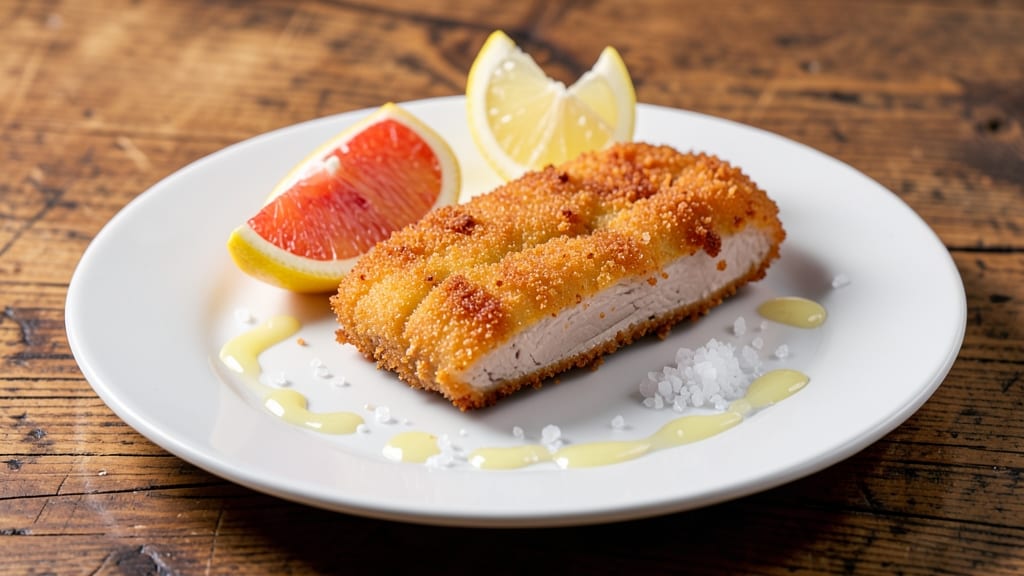
Austrian pork schnitzel delivers that perfect balance of crispy-golden crust and impossibly tender inside—something I've perfected after years of testing different breading techniques and frying methods. The secret lies in using thin-cut pork cutlets, a precise breading process, and cooking in clarified butter for that authentic restaurant-quality crunch.
My version stays true to tradition while incorporating modern shortcuts for home cooks.
What makes this recipe special is the three-step breading process—flour, beaten egg, and fine breadcrumbs—that creates a shield protecting the meat while frying. I've found that resting the breaded cutlets for 10 minutes before cooking prevents them from falling apart in the pan.
The clarified butter adds richness without overpowering the delicate pork flavor, while a quick lemon squeeze at the end brightens every bite.
By the time you serve this schnitzel, you'll have golden-brown cutlets with a shatteringly crisp exterior and juicy, melt-in-your-mouth centers. The technique works equally well with traditional pan-frying or an air-fryer method for a lighter version.
Serve with classic sides like potato salad or a tangy remoulade sauce to complete the Austrian dining experience.
This recipe transforms simple ingredients into a restaurant-worthy dish that's surprisingly easy to master at home. The key is patience—don't rush the breading or frying—and you'll achieve results that rival your favorite Viennese café. Let's get started on creating that perfect schnitzel.
Ingredients for austrian pork schnitzel
Simple yet transformative ingredients create that perfect Austrian schnitzel crunch and tenderness.
| Ingredient | Amount | Notes |
|---|---|---|
| Pork Cutlets 🥩 | 1 ½ lb | Thin-cut, pounded to even thickness |
| All-Purpose Flour 🌾 | 1 cup | Fine texture for even coating |
| Large Eggs 🥚 | 2 whole | Cold, beaten to smooth consistency |
| Fine Breadcrumbs 🍞 | 2 cups | Panko preferred for extra crunch |
| Unsalted Butter 🧈 | 1 cup | Clarified for maximum crispiness |
| Lemon Wedges 🍋 | 2 whole | Fresh, for finishing touch |
| Diamond Crystal Kosher Salt 🧂 | 1 tsp | Fine grain for even seasoning |
| Freshly Ground Black Pepper 🌶️ | ½ tsp | Cracked peppercorns preferred |
| Vegetable Oil 🫒 | ½ cup | High smoke point for frying |
| Ice Water 💧 | ½ cup | For egg wash consistency |
| Fresh Parsley 🌿 | ¼ cup | Chopped, for garnish |
The pork cutlets are non-negotiable here—look for thin-cut, boneless pork loin at your butcher or grocery store's meat counter. Costco or Whole Foods often carry pre-cut schnitzel slices, but if you're buying whole loin, ask for it to be pounded to about 1/4-inch thickness. Freshness matters: use within 2 days of purchase, and keep them cold until ready to bread. The clarified butter is worth the extra 10 minutes of work—it creates that signature golden crust without burning. For a shortcut, use regular butter but watch it closely to avoid browning too fast. The Panko breadcrumbs are essential for that shatteringly crisp texture—don't substitute regular breadcrumbs unless you're okay with a softer crust.
No clarified butter? Use regular butter but fry at lower heat—just be ready to work fast. Running out of panko? Toast regular breadcrumbs in a dry pan first for better texture. The ice water in the egg wash prevents the eggs from scrambling—trust me on this. For a lighter version, skip the second egg wash and use just flour and breadcrumbs. The lemon wedges should be fresh-squeezed at the table—bottled lemon juice won't give that bright, restaurant-quality finish. If you're short on parsley, a few chopped chives or dill work beautifully too. And if you're worried about the pork being too lean, brush the cutlets with a thin layer of olive oil before breading for extra moisture.
Keep your breaded cutlets on a wire rack over a plate—this prevents sogginess while they rest. They'll stay crispy for up to 20 minutes before frying, so don't rush this step. The clarified butter can be made ahead and stored in the fridge for up to 2 weeks—just reheat gently before using. Leftover schnitzel? Wrap tightly in parchment paper and refrigerate for 2 days, or freeze for 1 month. Reheat in a skillet with fresh butter for that crispy texture. And if you're making this for a crowd, double the recipe—just be ready to fry in batches so the oil doesn't cool down too much.
Why You'll Love This Recipe
- Same recipe, different vibes: toss it with greens for a quick lunch or serve with lemon wedges and a side salad for guests. The breading hides the work, so you look like a pro.
- Pantry Staple Magic: I keep a bag of flour, eggs, and breadcrumbs on hand just for this—no specialty shopping, no fuss. The real trick? Pound those cutlets thin enough so they cook fast and stay tender.
- Crispy-Creamy Obsession: Butter browned to golden perfection, then a splash of lemon—it’s the kind of dish where every bite has that satisfying crunch and a melt-in-your-mouth center. (Yes, even on a Tuesday night.)
- Weeknight to Dinner Party: Same recipe, different vibes: toss it with greens for a quick lunch or serve with lemon wedges and a side salad for guests. The breading hides the work, so you look like a pro.
Step-by-step instructions for Austrian pork schnitzel
Here's how to achieve that legendary crispy-golden crust while keeping the inside perfectly tender and juicy.
Pound and Season the Pork Cutlets
Place each of the 1.5 lb pork cutlets between two sheets of plastic wrap. Using a meat mallet, pound them to an even ¼-inch thickness—this ensures even cooking. I press down firmly but evenly, rotating the cutlet occasionally to maintain consistent thickness throughout. The goal is to create a large surface area that will crisp beautifully while cooking quickly.
Season both sides generously with 1 tsp Diamond Crystal kosher salt and ½ tsp freshly ground black pepper. I like to press the seasoning into the meat slightly so it adheres well. Let the seasoned cutlets sit at room temperature for 15-20 minutes before breading. This resting period allows the meat to relax and cook more evenly, preventing any potential curling during frying.
Create the Perfect Breading Station
Set up three shallow dishes: one for the 1 cup all-purpose flour, one for the 2 whole large eggs mixed with ½ cup ice water, and one for the 2 cups fine breadcrumbs. The ice water keeps the egg wash cold and creates a smoother, more even coating. I use a fork to whisk the eggs and water together until fully combined—no lumps allowed.
Here's where the magic happens: Dip each cutlet into the flour, shaking off any excess, then into the egg wash, letting any excess drip off, and finally into the breadcrumbs, pressing gently to ensure full coverage. I work quickly but carefully—this is the foundation of that perfect crunch. Rest the breaded cutlets on a wire rack for 5 minutes before frying to help the coating adhere better.
Fry to Crispy Perfection
Heat ½ cup vegetable oil in a large skillet over medium-high heat until it shimmers but doesn't smoke—around 350°F. I use a deep skillet to ensure the oil can circulate properly around the cutlets. Add ½ of the cutlets (to avoid overcrowding) and fry for 2-3 minutes per side until they're deep golden brown and the edges are crispy. The key is patience here—don't rush the cooking or the crust won't develop properly.
Transfer the fried cutlets to a wire rack set over a paper towel-lined plate. This allows any excess oil to drain away, keeping them crispy. Repeat with the remaining cutlets, maintaining the same oil temperature. If the oil starts to cool down between batches, give it a minute to reheat before adding more cutlets. The cutlets should be 160°F internally when done.
Finish with Butter and Lemon
Reduce the heat to low and add ½ cup unsalted butter to the skillet. Let it melt completely, then add 1 of the lemon wedges, squeezing gently to infuse the butter with citrus flavor. Remove the skillet from heat and carefully add the fried cutlets back in, spooning the buttery lemon mixture over each one. This step adds an incredible richness and brightness that balances the crispy exterior.
Let the cutlets rest for 2 minutes to allow the butter to soak in slightly. Garnish each with 1 tablespoon chopped fresh parsley and serve immediately with lemon wedges on the side. The contrast of crispy, buttery, lemony schnitzel with the juicy interior is what makes this dish truly special.
Pro Tips For Making Austrian Pork Schnitzel
- Pound Meat Thin: I learned this the hard way—thin is the name of the game. Aim for ¼-inch thickness or less, and don’t skimp on the time. A meat mallet or rolling pin works, but if you’re in a hurry, zip-tie your rolling pin to a cutting board for extra leverage. Too thick? It’ll steam instead of sear, and you’ll end up with a soggy mess.
- Salt the Cutlets First: This isn’t optional. Season the pork cutlets generously with salt before dredging in flour—at least 10 minutes ahead. The salt draws out moisture, which evaporates during frying, guaranteeing a crisp crust. I know, I know, it feels like extra work, but trust me: unsalted butter + dry, salty meat = golden perfection every time.
- Use Two Eggs: One egg isn’t enough—it’s like trying to glue a house with duct tape. Crack two large eggs into a shallow bowl, add a splash of water (just enough to loosen it), and beat lightly. The extra egg binds the breadcrumbs better, so they stick like they’re supposed to. (Yes, even if you’re impatient like me.)
- Start Hot, Finish Low: Crank the heat to medium-high and let the pan scream before adding the schnitzel. Once the first side is golden (about 2-3 minutes), lower the heat and finish cooking—this prevents burning while keeping the inside juicy. I used to rush this, and my schnitzel came out chewy. Now? Crispy outside, tender inside, every single time.
Serving suggestions for this austrian pork schnitzel
Classic Austrian Sides
Start with potato salad—the Austrian version is creamy and tangy, using mayonnaise, mustard, and fresh dill.
I make mine with Yukon Gold potatoes boiled until tender, then tossed with a dressing of ½ cup mayo, 1 tbsp Dijon mustard, 1 tbsp lemon juice, and 2 tbsp chopped fresh dill.
Add ½ cup finely chopped red onion and ½ cup diced celery for crunch. Serve chilled alongside your schnitzel for that perfect balance of textures. 🥔
Tangy Remoulade Sauce
This Cajun-inspired remoulade adds a zesty kick that pairs beautifully with schnitzel. Mix ½ cup mayonnaise, 1 tbsp ketchup, 1 tbsp Dijon mustard, 1 tsp hot sauce, 1 tsp smoked paprika, 1 minced garlic clove, and 1 tbsp chopped capers.
Thin with 1 tbsp lemon juice if needed. Spoon over the schnitzel or serve on the side for dipping. The acidity cuts through the richness, making every bite refreshing. 🌶️
Fresh Garden Salad
A simple mixed greens salad with arugula, butter lettuce, and cherry tomatoes dressed in a light vinaigrette keeps the meal bright and balanced.
Whisk together 3 tbsp olive oil, 1 tbsp red wine vinegar, 1 tsp honey, ½ tsp Dijon mustard, and salt and pepper to taste. Toss with ¼ cup sliced radishes and ¼ cup crumbled feta cheese for extra flavor.
The peppery greens contrast perfectly with the buttery schnitzel. 🥗
German-Inspired Cucumber Salad
This crunchy cucumber salad is a staple in Austrian homes. Thinly slice 2 large cucumbers and toss with ½ cup sour cream, 1 tbsp apple cider vinegar, 1 tsp sugar, ½ tsp salt, and 1 tbsp chopped fresh dill.
Let it sit for 15 minutes before serving to allow the flavors to meld. The cool, creamy texture complements the crispy schnitzel beautifully. 🥒
Warm Pretzel Buns
For a heartier meal, serve your schnitzel with warm pretzel buns slathered in soft butter. I love using homemade pretzel dough baked until golden and brushed with melted butter and a sprinkle of coarse sea salt.
The sweet, salty contrast with the schnitzel is unbeatable. If you're short on time, store-bought pretzel rolls work just as well. 🥨
Modern Twist: Roasted Vegetables
For a lighter option, roast zucchini, bell peppers, and red onions with olive oil, salt, and pepper at 400°F for 20 minutes. The caramelized flavors add depth without overpowering the schnitzel.
Toss with fresh basil before serving for a pop of color and freshness. This works especially well if you're serving a vegetarian side. 🌿
Nutrition facts
Frequently asked questions
Can I use chicken breast instead of pork for schnitzel?
Yes, but with adjustments! Chicken breast is leaner, so pound it slightly thinner (⅛-inch) and brush with 1 tsp olive oil before breading to prevent drying. The cooking time will be slightly shorter (1-2 minutes per side), but watch closely to avoid overcooking. For extra moisture, add 1 tbsp milk to your egg wash.
Why did my schnitzel turn out greasy instead of crispy?
Greasy schnitzel usually means the oil was too hot or you overcrowded the pan. Use a deep skillet and maintain 350°F oil—test with a breadcrumb (it should sizzle and turn golden in 30 seconds). Fry 2-3 cutlets at a time max, and keep them on a wire rack to drain excess oil. If the oil smokes excessively, lower the heat slightly.
How do I make this recipe gluten-free?
Replace flour with ½ cup gluten-free all-purpose flour and breadcrumbs with 2 cups gluten-free panko (like Bob's Red Mill). For the egg wash, add 1 tbsp cornstarch to help bind the coating. Test the coating on a small piece of meat first—it may need extra pressure to adhere. Serve with gluten-free mustard or remoulade to keep it safe.
Can I bake or air-fry schnitzel instead of pan-frying?
For the oven: bake at 425°F for 10-12 minutes on a wire rack over a baking sheet (no oil needed). For air-frying: cook at 375°F for 6-8 minutes, spraying with 1 tsp oil halfway. The texture will be slightly less crispy but still delicious. For extra crunch, broil for 1-2 minutes at the end. Both methods work best with slightly thicker cutlets (⅛-inch).
What's the best way to store leftover schnitzel?
Store in an airtight container for up to 2 days in the fridge. To reheat, place in a skillet with 1 tbsp butter over medium heat for 2-3 minutes per side until crispy again. For longer storage, freeze for up to 1 month—thaw overnight in the fridge before reheating. Never microwave, as it destroys the crispy texture.