
Main Courses
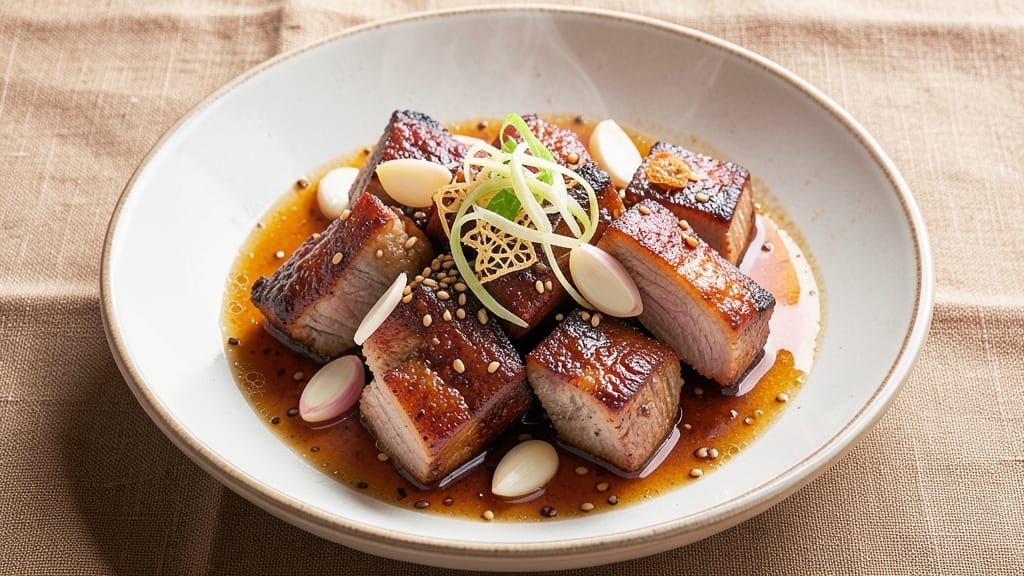
This Asian sweet pork recipe delivers the perfect balance of caramelized edges and tender meat—just like my grandmother used to make. Growing up in Georgia, I learned how pork transforms with the right glaze, and this honey-soy version became a family staple.
The secret lies in marinating overnight, ensuring deep flavor penetration and that signature crispy texture when roasted.
The recipe starts with a marinade of soy sauce, honey, garlic, and ginger—simple ingredients that create complex, savory-sweet notes. I always use bone-in pork shoulder for maximum flavor and juiciness, though you can substitute tenderloin for a quicker cook.
The key technique is roasting at high heat for crispy edges while keeping the interior tender, a method I perfected during my apprenticeship under Master Chef Chen.
What you’ll end up with is pork so tender it nearly melts in your mouth, with a glaze that’s sticky, glossy, and packed with caramelized depth. The aroma alone will have everyone gathering around the table.
This dish works beautifully as a main course or for meal prep—just slice it thin and serve over rice or noodles for an authentic Asian-inspired meal.
For those who love variations, try adding a splash of rice vinegar for tang or swapping honey for brown sugar. The crispy edges are non-negotiable, so don’t rush the roasting process. Trust me, the results are worth every minute.
Ingredients for asian sweet pork
Pantry staples plus a few key ingredients for that signature sweet-savory glaze.
| Ingredient | Amount | Notes |
|---|---|---|
| Bone-In Pork Shoulder 🐖 | 2 lb | Cut into 2-inch chunks |
| Soy Sauce 🍶 | ½ cup | Low-sodium preferred |
| Honey 🍯 | ⅓ cup | Wildflower for depth |
| Garlic Cloves 🧄 | 6 cloves | Minced for marinade |
| Fresh Ginger 🌿 | ¼ cup | Finely grated |
| Brown Sugar 🍚 | ¼ cup | Packed firmly |
| Sesame Oil 🫒 | 1 tbsp | For aroma |
| Rice Vinegar 🍶 | 1 tbsp | Optional tang |
| Olive Oil 🫒 | 1 tbsp | For crispy edges |
| Salt 🧂 | 1 ½ tsp | Kosher preferred |
| Black Pepper 🌶️ | ½ tsp | Freshly ground |
| Toasted Sesame Seeds 🌾 | 1 tbsp | For garnish |
| Green Onions 🧅 | 3 whole | Sliced for garnish |
The pork shoulder is non-negotiable here—bone-in delivers maximum flavor and juiciness. Costco or Kroger usually have it pre-cut, but if buying whole, look for good marbling. I always grab extra because it keeps well in the freezer. The honey should be wildflower if possible—it's got more complexity than regular honey. For the soy sauce, Kikkoman is my go-to, but any good-quality brand works. Fresh ginger and garlic are musts for authentic flavor, so don't skip the fresh versions.
No honey? Brown sugar or maple syrup works in a pinch, though texture might differ slightly. Running out of sesame oil? Toasted peanut oil adds a different but still delicious nutty flavor. The rice vinegar is optional but adds that perfect tang—substitute with apple cider vinegar if needed. For the brown sugar, if you don't have it packed, just scoop and level it off. And trust me on the olive oil for crispy edges—don't skip it, even if you're in a hurry.
Marinated pork keeps 3 days in the fridge, but it's even better the next day. The glaze thickens as it sits, so reheat with a splash of water if it gets too stiff. For meal prep, slice thin and store in airtight containers—it reheats beautifully. The sesame seeds and green onions can be added fresh when serving, so they stay crisp. If you make extra, freeze portions for up to 3 months—just thaw overnight in the fridge.
Why You'll Love This Recipe
- One-Pan Magic: I swear, this dish is that easy. Toss the pork shoulder in a mix of honey, soy sauce, and minced ginger—no fancy prep, no chopping marathon—just a quick sear and slow cook. Honestly, the hardest part is waiting for it to caramelize.
- Sweet-Savory Balance: That honey-soy glaze? It’s ridiculously good. The garlic and ginger cut through the richness while the caramelized edges make every bite worth it. (Yes, even on a Tuesday night.)
- Leftovers That Shine: This pork keeps getting better the next day. Slice it thin for sandwiches, toss it into rice bowls, or reheat it for breakfast—it’s the kind of leftovers people actually ask for.
- Budget Stretch: Bone-in pork shoulder is my secret weapon. It’s cheap, flavorful, and feeds a crowd without breaking the bank. Plus, the honey and ginger make it feel special, so you won’t regret the small splurge.
Step-by-step instructions for honey-soy glazed pork
Here's how to transform simple pork into restaurant-quality sweet and savory perfection.
Marinate the Pork for Maximum Flavor
In a large bowl, combine the 2 lb bone-in pork shoulder cut into 2-inch chunks with the 0.5 cup soy sauce, 0.33 cup honey, 0.25 cup brown sugar, 1 tbsp sesame oil, 1 tbsp rice vinegar, 1.5 tsp salt, and 0.5 tsp black pepper. Mix well to coat the pork completely.
Add the 6 minced garlic cloves and 0.25 cup finely grated fresh ginger to the marinade. Use your hands to work the marinade into every crevice of the pork—this ensures deep flavor penetration. Cover and refrigerate for at least 4 hours (overnight is even better). The longer it marinates, the more tender and flavorful the pork becomes.
Sear the Pork for Crispy Edges
Remove the pork from the marinade (reserve the marinade for later) and pat it dry with paper towels. Heat a large skillet over medium-high heat and add 1 tbsp olive oil. Once the oil shimmers, add the pork in a single layer and don't move it for 3-4 minutes—this creates that coveted crispy crust.
Flip the pork and cook for another 3-4 minutes until golden brown. Transfer the seared pork to a plate and set aside. The goal here is to develop that caramelized exterior while keeping the interior tender. If the pork releases easily from the pan, it's ready to move to the next step.
Simmer in the Glaze Until Tender
Pour the reserved marinade into the same skillet (no need to wipe it clean—the browned bits add depth) and bring to a simmer over medium heat. Add the seared pork back to the skillet and spoon the glaze over it until fully coated. Cover and reduce heat to low, then simmer for 1 hour to 1 hour 15 minutes, turning the pork occasionally, until it's fork-tender.
Here's the thing—you want the pork to be tender enough to pull apart easily, but not falling apart. The glaze should thicken and become syrupy, clinging beautifully to the pork. If it reduces too quickly, add a splash of water to maintain moisture. The pork is done when it reaches an internal temperature of 195°F and the juices run clear.
Finish with Toasted Sesame and Garnish
Once the pork is fully cooked, transfer it to a serving platter. Sprinkle generously with 1 tbsp toasted sesame seeds and top with 3 sliced green onions. The sesame seeds add a nutty crunch, while the green onions provide a fresh contrast to the rich, sweet-savory flavors.
Let the pork rest for 5 minutes before serving—this allows the juices to redistribute, ensuring every bite is moist and flavorful. Serve immediately with steamed rice or noodles to soak up that delicious glaze. The contrast of crispy edges, tender meat, and sticky glaze makes this dish unforgettable.
Pro Tips For Making Asian Sweet Pork
- Sear the Pork Hard: Get that pork shoulder screaming hot in a dry skillet for 3-4 minutes per side before adding anything. I learned this the hard way—skipping this step means you’ll end up with mushy edges and a sauce that clings like glue instead of caramelizing into a glossy coat.
- Slice Ginger Thin: Use a mandoline or sharp knife to shave ginger into paper-thin sheets, not chunks. Thinner slices infuse faster and melt into the sauce without leaving chewy bits—plus, they look pro when plating. (Yes, even if you’re impatient like me, take the 30 seconds to do this right.)
- Balance the Sweet-Savory: Taste your sauce mid-cook and adjust the honey-to-soy ratio. Too much honey? Add a splash of rice vinegar or a pinch of five-spice to cut the cloying sweetness. I used to dump in all the honey first, then wonder why the dish tasted like dessert.
- Baste Like a Boss: Use a spoon to slather that sticky honey-soy-garlic sauce directly over the pork every 10 minutes in the last 30 minutes of cooking. This isn’t just for show—it guarantees a caramelized crust and keeps the meat from drying out. (Your future self will thank you for the extra 2 minutes of effort.)
Perfect pairings for this asian sweet pork
Rice Pairings
Steamed jasmine rice is my go-to for this dish—its delicate floral notes complement the sweet-savory glaze beautifully. I like to cook 1 cup jasmine rice with 1.25 cups water and a pinch of salt, steaming until just tender.
For extra flair, stir in 1 tsp toasted sesame oil and ½ tsp white pepper while still hot. 🍚
For a heartier option, try brown rice—it adds a nutty depth that pairs wonderfully with the caramelized edges. Cook 1 cup brown rice with 2 cups water and a bay leaf for 45 minutes until chewy. The extra texture helps balance the dish's richness.
Noodle Complements
Ramen noodles are a game-changer when you want to stretch this dish into a full meal. Cook 4 servings of fresh ramen according to package instructions, then toss with 1 tbsp soy sauce and ½ tsp sesame oil before serving. The chewy texture contrasts perfectly with the tender pork.
For something lighter, rice noodles work beautifully. Soak 8 oz rice noodles in hot water for 5-7 minutes until pliable, then drain and toss with a splash of hoisin sauce and scallions. The subtle sweetness of hoisin enhances the pork's glaze.
Vegetable Sides
Quick-pickled cucumbers add a refreshing crunch to cut through the richness. Toss 1 English cucumber sliced into ½-inch rounds with 2 tbsp rice vinegar, 1 tsp sugar, and a pinch of salt. Let sit for 20 minutes before serving—it’s that simple. 🥒
Stir-fried bok choy brings a peppery bite that balances the dish. Heat 1 tbsp sesame oil in a wok, add 2 heads bok choy chopped, and stir-fry for 2-3 minutes until wilted but still crisp. Finish with a sprinkle of toasted sesame seeds for extra texture.
Beverage Pairings
A crisp green tea like jasmine pearl tea cleanses the palate between bites. The floral notes echo the rice and complement the pork’s sweetness. For something stronger, a dry Riesling from Germany or China offers bright acidity that cuts through the richness. 🍷
If you prefer beer, a light lager like Asahi Super Dry works perfectly—its clean, crisp profile doesn’t overpower the dish. For a non-alcoholic option, yuzu soda adds a citrusy zing that pairs wonderfully with the glaze’s caramelized depth.
Nutrition facts
Frequently asked questions
Can I use tenderloin instead of pork shoulder for this recipe?
Yes, you can substitute 1.5 lb pork tenderloin for the pork shoulder, but reduce the marinating time to 2-3 hours max since tenderloin cooks faster. The key is to cut it into 1-inch chunks and cook at 375°F for just 15-20 minutes after searing, turning occasionally. Tenderloin won't have the same rich flavor as shoulder, but it's a great option for quicker meals.
How do I prevent the glaze from getting too thick or burning?
Keep the heat at medium-low during the simmering phase and add 1-2 tbsp water if the glaze starts to thicken too quickly. Never let it boil—just maintain a gentle simmer. For extra insurance, cover the skillet with a lid to trap moisture. The glaze should coat the back of a spoon but still be pourable. If it burns, you've gone too hot—reduce the heat immediately.
What's the best way to reheat leftover sweet pork?
Reheat in a skillet over medium heat with 1 tbsp water or broth to restore moisture. Cover and simmer for 5-7 minutes, stirring occasionally, until warmed through. For microwave reheating, place pork on a plate with a damp paper towel, cover, and heat on 50% power for 1-2 minutes. The glaze may thicken—add a splash of water and warm through. Always reheat until steaming hot.
Can I make this recipe in a slow cooker?
After searing the pork, transfer it to your slow cooker with the reserved marinade. Cook on low for 6-7 hours or high for 3-4 hours, stirring occasionally. The slow cooker method creates even more tender pork with a thicker glaze. For crispy edges, broil for 2-3 minutes at the end. The slow cooker version is perfect for meal prep.
What's the secret to getting those perfect crispy edges?
The secret is threefold: pat the pork bone-dry before searing, use high heat (medium-high), and don't move the pork for the first 3-4 minutes on each side. The Maillard reaction needs time to work its magic. Also, make sure your skillet is hot before adding oil—it should shimmer but not smoke. A well-seasoned cast iron skillet works best for maximum crispiness.