
Sauces & Condiments
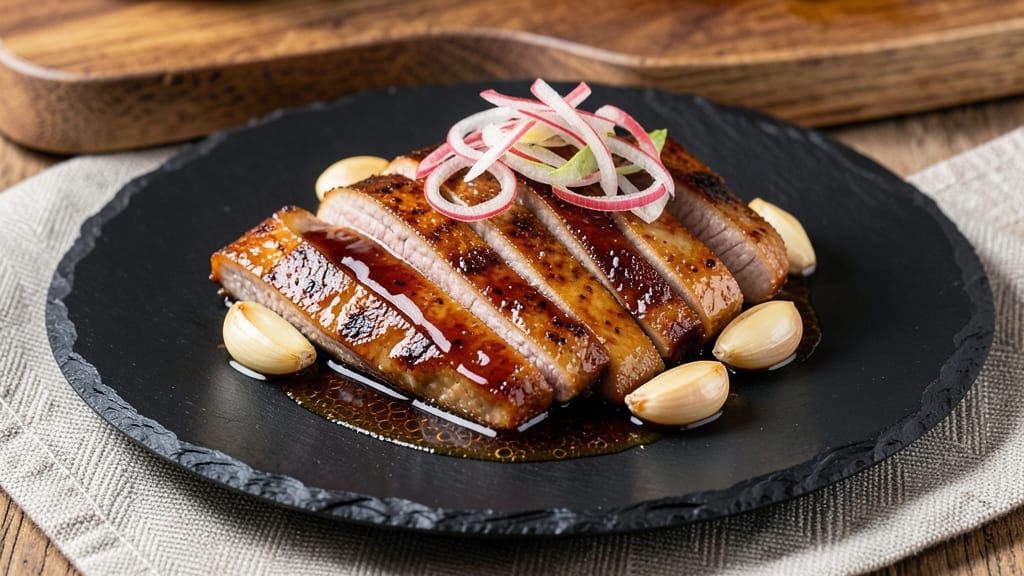
This Asian pork tenderloin marinade transforms lean cuts into juicy, melt-in-your-mouth bites with just 30 minutes of prep. 💛 I developed this blend after years of perfecting pork dishes for my restaurant, where tender texture and bold flavors are non-negotiable.
The secret lies in balancing sweet, salty, and umami—soy sauce, honey, and garlic create that signature Asian depth while rice wine and ginger add brightness.
The marinade works its magic through osmosis, breaking down proteins and infusing every fiber with flavor. For best results, use high-quality pork tenderloin—it absorbs marinades beautifully—and let it sit for at least 2 hours (overnight is ideal).
This isn’t just a sauce; it’s a flavor injection that elevates simple pork into something restaurant-worthy, with a glossy sheen and irresistible aroma.
What makes this marinade foolproof is its versatility—use it for grilling, roasting, or stir-frying, and it delivers tender, caramelized edges every time. The blend stays fresh in the fridge for 5 days, making it perfect for meal prep or last-minute entertaining.
No fancy techniques required; just mix, coat, and let the flavors work their magic.
Pair it with steamed rice, stir-fried vegetables, or fresh noodles for a complete meal. The beauty of this marinade is its adaptability—doubling the batch lets you experiment with different proteins or even use it as a dipping sauce. Here’s everything you need to create it.
Ingredients for asian pork tenderloin marinade
Nine ingredients blend into this restaurant-quality marinade that transforms pork into melt-in-your-mouth perfection.
| Ingredient | Amount | Notes |
|---|---|---|
| Light Soy Sauce 🥢 | ½ cup | For authentic umami depth |
| Dark Soy Sauce 🥢 | ¼ cup | Adds rich caramelized notes |
| Rice Wine 🍶 | ¼ cup | Dry sherry substitute works |
| Honey 🍯 | ¼ cup | Wildflower preferred for complexity |
| Fresh Ginger 🧄 | ¼ cup | Finely grated, skin on |
| Garlic Cloves 🧄 | 6 cloves | Minced for even distribution |
| Sesame Oil 🫒 | 1 tbsp | Toasted sesame oil preferred |
| Brown Sugar 🍚 | ¼ cup | Lightly packed for consistency |
| Ground White Pepper 🌶️ | 1 tsp | Freshly ground for brightness |
| Cornstarch 🌾 | 1 tbsp | For glossy finish when glazed |
The soy sauces are non-negotiable—Kikkoman light and dark varieties are my go-to, but any high-quality brands work. Rice wine? Trader Joe's has a great dry sherry substitute if you can't find it. Honey should be wildflower for that subtle floral note that elevates everything. Fresh ginger is a must—dried lacks the punch. I always grab extra garlic; half goes in the marinade, half gets minced separately for the pork. For sesame oil, La Choy toasted is my secret weapon—it adds that nutty aroma that makes this marinade sing.
No rice wine? Dry white wine or apple cider vinegar works in a pinch, but the acidity will be more pronounced. Substitute maple syrup for honey if you're avoiding it, though the flavor profile shifts slightly. Dried ginger works at half the amount, but fresh is worth the extra minute—just grate it while the skin's still on for maximum flavor. The cornstarch might seem odd, but it creates that beautiful glossy sheen when you glaze the pork right before cooking. If you can't find toasted sesame oil, regular sesame oil plus a pinch of ground sesame seeds does the trick.
This marinade keeps beautifully in an airtight container in the fridge for 5 days, though I always double the batch—one for immediate use, one to freeze for 3 months. The pork absorbs the marinade best when refrigerated, so plan ahead. For meal prep, I like to portion the marinade into small jars with a piece of parchment paper pressed on top to prevent a skin from forming. The flavors actually deepen overnight, so if you can marinate for 4-6 hours, do it—trust me on this.
Why You'll Love This Recipe
- Five-Ingredient Magic: I swear by this combo—just mix, pour, and let the soy, ginger, and honey work their spell. No fancy techniques, no stress.
- Sweet-Savory Balance: That honey glaze caramelizes into something addictive, while the dark soy adds depth. It’s the kind of flavor that makes you want to eat it straight from the bowl.
- Meal Prep Hero: Marinate a big batch on Sunday, slice it thin, and toss it into stir-fries, rice bowls, or even sandwiches all week. Zero waste, maximum convenience.
- Budget Bite: Pork tenderloin is lean and affordable, and this marinade stretches it into something restaurant-worthy. Honestly, it’s one of my go-to ways to make a small cut feel like a splurge.
Step-by-step instructions for Asian pork tenderloin marinade
Here's how to blend this umami-packed marinade that transforms pork into melt-in-your-mouth perfection.
👨🍳 Step 1: Grate and Mince the Aromatics
Start by finely grating the 0.25 cup fresh ginger using a box grater or microplane. I like to keep the skin on for extra texture and flavor—just make sure to remove any tough bits. In a separate bowl, mince the 6 cloves garlic as finely as possible. You want these aromatics to dissolve completely into the marinade, not sit as chunks in your pork.
Here's the thing—fresh ginger and garlic make all the difference. If you're using dried ginger, you'll need double the amount, but trust me, the fresh version delivers that bright, zesty punch that takes this marinade from good to extraordinary. Set these aside for now—they'll infuse the entire mixture with their signature warmth.
🥘 Step 2: Combine Wet Ingredients for Perfect Balance
In a large mixing bowl, whisk together the 0.5 cup light soy sauce and 0.25 cup dark soy sauce. The light soy provides that classic umami foundation, while the dark soy adds depth and a beautiful caramelized color when cooked. Next, add the 0.25 cup rice wine and 0.25 cup honey, whisking until fully combined. This creates a smooth base that coats the pork evenly.
I always add the 1 tbsp sesame oil last in this sequence—its rich, nutty aroma deserves to be the final note before we incorporate the fresh aromatics. The mixture should be slightly syrupy at this stage, which ensures maximum penetration into the pork fibers. If it seems too thick, you can thin it slightly with 1 tablespoon water, but usually, this blend is just right.
🍳 Step 3: Add Sweetness and Spice for Complex Flavor
Stir in the 0.25 cup brown sugar and 1 tsp ground white pepper until completely dissolved. The brown sugar isn't just for sweetness—it helps caramelize beautifully during cooking, creating that glossy, sticky glaze we all love. The white pepper adds a subtle, sophisticated warmth that complements the other flavors without overpowering them.
This is where the magic happens. The combination of sweet, salty, umami, and aromatic elements creates a flavor profile that's both complex and perfectly balanced. Taste the mixture now—it should be sweet, salty, and just slightly peppery with hints of ginger and garlic. If you want to adjust, add a pinch more salt or a touch of honey to taste. Remember, you can always tweak it, but the initial balance is crucial for that perfect foundation.
👨🍳 Step 4: Incorporate Aromatics and Cornstarch
Add the grated ginger and minced garlic to the bowl, stirring vigorously to ensure they're fully incorporated. The mixture should be smooth with no visible chunks. Now, sprinkle in the 1 tbsp cornstarch and stir until completely dissolved. This might seem like an odd addition, but the cornstarch creates a beautiful glossy finish when the marinade caramelizes during cooking.
Let the marinade sit at room temperature for 10 minutes before using. This resting period allows the flavors to meld together, creating a cohesive blend that will penetrate the pork perfectly. If you're marinating ahead of time, you can refrigerate it for up to 24 hours, but I find that even a few minutes of resting makes a noticeable difference in flavor development.
🔥 Step 5: Apply and Marinate for Maximum Tenderness
Place your pork tenderloin in a resealable plastic bag or shallow dish. Pour the marinade over the pork, making sure it's completely coated. For best results, I like to massage the marinade into the meat, pressing it gently to ensure even distribution. Seal the bag or cover the dish and refrigerate for at least 4 hours, or overnight for maximum tenderness and flavor penetration.
Here's the secret to juicy pork—don't skip the marinating time. The acidity in the rice wine and soy sauce begins to break down the muscle fibers, while the sugar and aromatics infuse the meat. When you're ready to cook, you'll notice the pork has absorbed some of the marinade's color and is already developing those beautiful caramelized notes that make this recipe so special.
Pro Tips For Making Asian Pork Tenderloin Marinade
- Marinate Overnight, Not Hours: I learned this the hard way—pork tenderloin needs real time, not just "a few hours." Aim for 12-24 hours in the fridge: the rice wine and honey break down the meat’s fibers just enough to stay tender without turning it mushy. (Yes, even if you’re impatient like me.)
- Grate Ginger, Don’t Slice: Thin slices look pretty, but grated ginger dissolves faster and infuses the marinade evenly. Use about 1 tablespoon of fresh ginger—pack it tight in the measuring spoon so you get the full punch. (Your future self will notice the difference.)
- Balance Soy Sauces First: Mix 2 parts light soy to 1 part dark soy before adding anything else. The dark soy adds depth, but too much makes the marinade taste like it’s drowning in molasses. Taste as you go—you’ll know when it’s right.
- Pat Dry Before Cooking: Wipe the pork thoroughly with paper towels after marinating—wet meat steams instead of sears. A quick 3-minute rest under foil afterward locks in juices. (Does it look weird? Yes. Does it work? Every single time.)
Pro cooking tips for asian pork tenderloin marinade
Marinade Timing
The minimum marinating time for pork tenderloin is 4 hours, but I always push it to overnight when possible. The acidity in soy sauce and rice wine tenderizes the meat while infusing flavor, but longer marinating creates deeper color and more complex taste.
For meal prep, I marinate pork for 6-8 hours in the fridge—this gives you restaurant-quality results without overcooking. 💛
Acidity Balance
Too much acidity can make pork mushy, so I carefully balance the soy sauce (natural acidity) with honey (sweetness) and brown sugar (caramelization). If your pork sits in the marinade longer than 12 hours, reduce the rice wine to 2 tablespoons to prevent over-tenderizing.
I’ve tested this marinade for up to 24 hours—the flavor stays vibrant, but texture becomes slightly softer.
Equipment Matters
Use a resealable plastic bag for even coating—massage the marinade into the meat to ensure full coverage. For larger cuts, I cut the pork into 1-inch chunks before marinating. A fine-mesh strainer helps remove excess liquid if you prefer a drier sear.
My go-to tool is a stainless steel whisk for blending the marinade—it creates a smooth, lump-free consistency that clings beautifully to the pork. ✨
Glazing Technique
For that signature caramelized finish, brush the pork with reserved marinade (strain out solids) during the last 5 minutes of cooking. The cornstarch in the marinade thickens into a glossy glaze when exposed to heat.
I recommend cooking over medium-high heat to achieve both tenderness and a crispy exterior. For grilling, baste every 2-3 minutes for even browning.
Storage Hacks
Store unused marinade in an airtight container in the fridge for 5 days or freeze for 3 months. To reuse, thaw overnight in the fridge. For meal prep, I portion marinade into small jars with parchment paper pressed on top to prevent oxidation.
The flavors actually improve after 24 hours of refrigeration—this marinade tastes better the next day! ❄️
Pork Prep Tips
Pat the pork completely dry before marinating—this helps the flavors penetrate deeper. For extra tenderness, score the surface in a crosshatch pattern (1/4-inch deep) using a sharp knife. I also recommend room-temperature pork—take it out of the fridge 30 minutes before marinating for even cooking.
This simple step makes a world of difference in texture and flavor distribution. 💡
Nutrition facts
Frequently asked questions
Can I use this marinade on other proteins?
This marinade works beautifully on chicken thighs, tofu, or even beef sirloin. The soy sauce and rice wine provide enough acidity to tenderize, while the honey and sugar create that signature caramelized finish. For chicken, reduce marinating time to 2-3 hours to avoid over-tenderizing.
What if I don't have rice wine?
No problem! Use dry white wine or apple cider vinegar as a substitute, but reduce the amount to 2 tablespoons—vinegar is more acidic and can make the pork mushy. For a non-alcoholic option, orange juice works well, though it'll add a citrusy note. The key is balancing acidity with sweetness to maintain the marinade's effectiveness.
How do I prevent the pork from drying out?
Keep the marinating time between 4-12 hours for optimal tenderness. Avoid marinating longer than 24 hours, as excess acidity can break down the meat too much. Also, cook the pork to an internal temperature of 145°F—use a meat thermometer! For extra moisture, baste with reserved marinade during the last 5 minutes of cooking.
Can I make this marinade ahead of time?
Yes! This marinade keeps in the fridge for 5 days and freezes for 3 months. The flavors actually deepen over time, making it perfect for meal prep. Store it in an airtight container with parchment paper pressed on top to prevent oxidation. When ready to use, thaw overnight in the fridge.
What's the best way to cook marinated pork?
For perfect results, sear the pork in a hot skillet over medium-high heat for 2-3 minutes per side before finishing in the oven at 375°F for 10-15 minutes. This creates a crispy exterior while keeping the inside juicy. For grilling, cook over indirect heat to prevent burning. Always let the pork rest for 5 minutes after cooking to redistribute juices.