
Main Courses
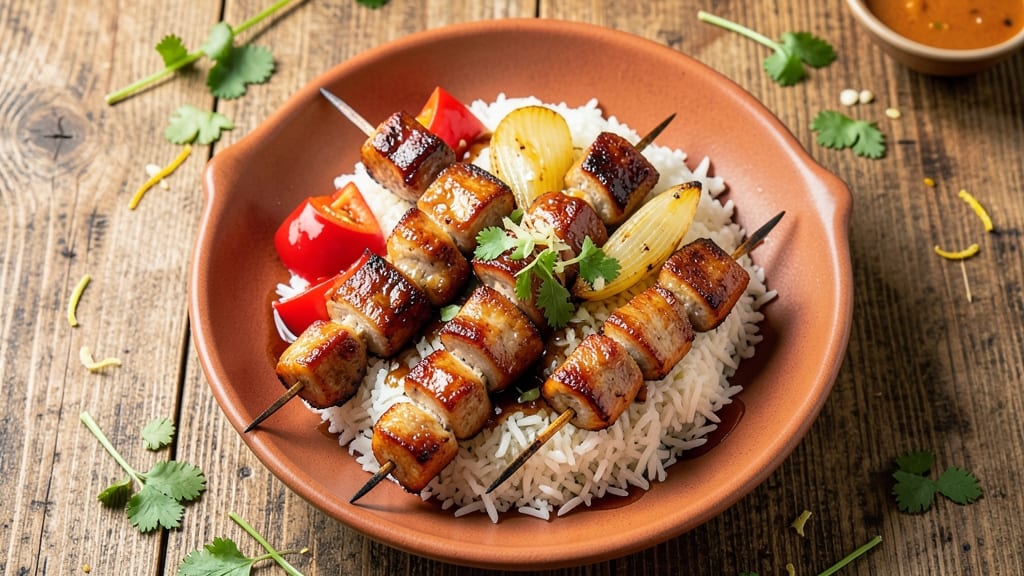
This Asian pork skewers recipe transforms simple pork into finger-licking bites with charred edges and a sticky-sweet glaze that's impossible to resist. I developed this technique after years of perfecting skewers for my restaurant menu—where the contrast between smoky char and caramelized glaze makes every bite unforgettable.
The secret lies in marinating the pork overnight, ensuring tender meat that holds up perfectly on the grill.
The process starts with a marinade of soy sauce, honey, and aromatic spices that tenderize the meat while infusing deep flavor. Skewering the pork with onions and bell peppers adds color and texture, while grilling over high heat creates those signature charred edges.
This method delivers restaurant-quality results with minimal effort—just 30 minutes of active prep followed by hands-off grilling. The glaze, made from a simple reduction of the marinade, ties everything together with its perfect balance of sweet and savory.
What you'll end up with is a dish that's equally at home on a weeknight dinner table or a summer BBQ spread. The skewers are juicy, flavorful, and perfectly balanced—smoky from the grill, tender from the marinade, and glossy from the glaze.
Serve with a side of steamed jasmine rice or a fresh cucumber salad to round out the meal. This recipe proves that with the right technique, you can achieve professional-level results at home.
Whether you're cooking for a crowd or treating yourself to a special meal, these pork skewers deliver consistent, impressive results. The beauty of this recipe is its versatility—use it as an appetizer, a main course, or even as a protein for tacos.
Let's get started on creating skewers that will have everyone asking for seconds.
Ingredients for asian pork skewers
Restaurant-quality skewers start with tender pork, aromatic marinade, and perfect char—just eight ingredients transform simple cuts into unforgettable bites.
| Ingredient | Amount | Notes |
|---|---|---|
| Boneless Pork Shoulder 🥩 | 1 ½ lb | Cut into 1-inch cubes, trimmed of fat |
| Red Bell Pepper 🍅 | 1 whole | Cut into 1-inch chunks, deseeded |
| Yellow Onion 🧅 | 1 whole | Cut into 1-inch chunks, peeled |
| Fresh Ginger 🌿 | 2 tbsp | Finely grated, aromatic |
| Garlic Cloves 🧄 | 6 cloves | Minced, fresh preferred |
| Soy Sauce 🍶 | ½ cup | Kikkoman preferred, full-bodied |
| Honey 🍯 | ¼ cup | Wildflower for floral notes |
| Sesame Oil 🫒 | 1 tbsp | Toasted, for aroma |
| Rice Vinegar 🍶 | 1 tbsp | Seasoned preferred |
| Brown Sugar 🍚 | 1 tbsp | Packed, dark amber |
| Ground White Pepper 🌶️ | ½ tsp | Freshly ground for depth |
| Wooden Skewers 🪵 | 16 whole | Soaked 30 mins in water |
| Vegetable Oil 🫒 | 2 tbsp | High smoke point for grilling |
| Fresh Cilantro 🌿 | ¼ cup | Chopped, for garnish |
| Lime Wedges 🍋 | 2 whole | For serving |
The pork shoulder is non-negotiable here—its fat content ensures juicy results. Look for well-marbled cuts at Whole Foods or your local butcher, and trim any excess fat before cubing. I prefer Kikkoman soy sauce for its depth, but any high-quality brand works. Fresh ginger and garlic are essential; dried spices can't replicate their brightness. For the skewers, soak them overnight if you're not using them immediately—they'll hold up better on the grill. The bell peppers and onions should be vibrant, not wilted, and cutting them into even chunks ensures consistent cooking.
No honey? Maple syrup at a 1:1 ratio works in a pinch, though the flavor profile shifts slightly. Substituting sesame oil with avocado oil is fine, but the toasted aroma is worth seeking out. For a deeper umami kick, add 1 tsp fish sauce to the marinade (though this makes it non-vegetarian). The marinade can be prepped 2 days ahead—store it in an airtight container in the fridge. If you're grilling indoors, use a grill pan with high heat to mimic outdoor char. For extra smokiness, add 1 tsp smoked paprika to the marinade or sprinkle it on post-grill.
Marinated pork keeps 3 days in the fridge, but the skewers should be grilled within 24 hours for best texture. Prepped vegetables lose crispness after 12 hours, so assemble skewers just before cooking. The glaze thickens as it cools—reheat gently if it becomes too stiff. Skewers reheat beautifully on the grill or in a skillet for 3-4 minutes per side. Store leftovers in an airtight container with parchment paper between layers to prevent sticking. Freeze uncooked skewers for 2 months—thaw overnight in the fridge before grilling.
Why You'll Love This Recipe
- I swear by this trick: slice the pork shoulder into thick chunks—no fancy cutting skills needed—and the marinade does all the work while I prep the veggies. Between us, the bell pepper and onion take three minutes to chop, and the ginger? Just grate it while the pork soaks up that garlic-ginger punch.
- Fewer Cuts, Big Payoff: I swear by this trick: slice the pork shoulder into thick chunks—no fancy cutting skills needed—and the marinade does all the work while I prep the veggies. Between us, the bell pepper and onion take three minutes to chop, and the ginger? Just grate it while the pork soaks up that garlic-ginger punch.
- Umami Bomb: That pork shoulder? It’s the star, but the real magic happens when you char those skewers over the grill or broiler. The crispy edges paired with the tender, juicy center—plus the bright crunch of the peppers—makes every bite taste like a tiny, smoky explosion. Honestly, my picky-eating husband asks for seconds without me even asking.
- Grill or No Grill: Rainy day? No problem. These skewers shine just as well in a cast-iron skillet or even the oven. I’ve made them for backyard BBQs, lazy Sunday brunches, and even as a side for my kid’s soccer practice snacks. The marinade’s bold enough to stand alone but flexible enough to play nice with rice, noodles, or just a squeeze of lime.
Step-by-step instructions for Asian pork skewers
Master the balance of smoky char and sweet glaze with this professional approach.
Marinate the Pork for Maximum Flavor
In a large bowl, combine the 1.5 lb boneless pork shoulder cut into 1-inch cubes, the 1 whole red bell pepper and 1 whole yellow onion cut into 1-inch chunks, the 2 tbsp finely grated fresh ginger, and the 6 cloves minced garlic. This combination of vegetables helps tenderize the meat while adding natural sweetness and acidity to the marinade.
Add the 0.5 cup soy sauce, 0.25 cup honey, 1 tbsp toasted sesame oil, 1 tbsp rice vinegar, 1 tbsp packed brown sugar, and 0.5 tsp freshly ground white pepper to the bowl. Mix thoroughly with your hands, ensuring every piece of pork and vegetable is well coated. Cover and refrigerate for at least 4 hours, or preferably overnight. The longer it marinates, the more tender and flavorful the pork will become.
Prepare the Skewers and Preheat
Soak the 16 wooden skewers in water for 30 minutes to prevent them from burning on the grill. After marinating, carefully thread the pork and vegetables onto the skewers, alternating between pieces to ensure even cooking. Leave a small gap between each piece to allow the glaze to coat everything evenly during grilling.
Preheat your grill to medium-high heat, around 400°F. If using a gas grill, clean the grates with a grill brush to ensure the skewers don't stick. Brush the grates lightly with 2 tbsp vegetable oil to help prevent sticking and create a nice sear. Let the grill heat up for 10-15 minutes until it's ready for cooking.
Grill to Perfect Char and Caramelization
Place the skewers on the grill and cook for 8-10 minutes, turning occasionally, until the pork reaches an internal temperature of 145°F and the vegetables are tender with light char marks. The key here is to avoid overcrowding the grill, which can lower the temperature and lead to steaming instead of searing. Cook in batches if necessary, keeping the finished skewers warm in a 200°F oven while you finish the rest.
Watch for golden-brown edges on the pork and lightly blistered skin on the vegetables. The pork should be juicy inside with a slight resistance when pressed, indicating it's cooked through but still tender. Remove the skewers from the grill and let them rest for 5 minutes before serving. This resting period allows the juices to redistribute, ensuring each bite is moist and flavorful.
Garnish and Serve with Fresh Accents
While the skewers rest, chop the 0.25 cup fresh cilantro and squeeze the juice from the 2 whole lime wedges. Arrange the skewers on a platter and sprinkle with the chopped cilantro and lime juice. The bright, citrusy notes of the lime cut through the richness of the pork and glaze, while the cilantro adds a fresh, herbal finish.
Serve immediately with extra lime wedges on the side for squeezing over each skewer. The combination of smoky char, sticky-sweet glaze, and fresh garnishes creates a harmonious balance of flavors that will impress even the most discerning palates. Enjoy with steamed jasmine rice or a simple cucumber salad for a complete meal.
Pro Tips For Making Asian Pork Skewers
- Marinate Pork Overnight: I learned this the hard way—rushing the marinade means the pork stays bland no matter how much soy sauce you throw at it. At least 12 hours lets the ginger and garlic really penetrate, especially that tough pork shoulder.
- Slice Onion Thinly: Thick onion chunks turn mushy on skewers. Cut them paper-thin (about 1/8-inch) so they caramelize instead of steam into oblivion. Same goes for bell peppers—slice into 1/2-inch strips for even cooking.
- Preheat Skewers First: Cold metal skewers drop the pork’s internal temp when you thread them. Run them under hot water for 30 seconds or hold over a gas flame until warm—this keeps the meat cooking steadily from the start.
- Balance Pepper and Onion: Too much onion makes the skewers soggy; too much pepper dries them out. Aim for 2 onion chunks per 4 pepper pieces per 6 oz pork—adjust based on how juicy your pork is after cooking.
Common mistakes when making perfect results
Uneven Cooking
I've seen so many home cooks struggle with skewers that end up with some pieces raw and others overcooked. The fix is simple: alternate pork, veggies, and gaps on each skewer. The vegetables act as natural heat sinks, so place them between pork pieces to help regulate cooking.
Also, trim any large fat deposits from your pork cubes—they'll melt unevenly and create hot spots on the grill. I always cut my pork into consistent 1-inch cubes and weigh them before skewering to ensure even distribution. 🌡️
Dry, Tough Pork
The biggest mistake I see is skipping the marinade time or using lean cuts. Pork shoulder has just enough fat to stay juicy, but never skip the 4+ hour marinade—it's what breaks down the muscle fibers. If your pork turns out dry, you likely overcooked it.
Use a meat thermometer and pull it at 145°F internal temp—any hotter and it'll dry out. For extra insurance, brush the skewers with marinade during the last 2 minutes of grilling to lock in moisture.
Burnt Skewers
Nothing ruins a perfect dish faster than charred skewers. Always soak wooden skewers for at least 30 minutes before using—this prevents them from catching fire. I've seen people skip this step and end up with blackened sticks while their food cooks perfectly.
For metal skewers, oil them lightly with vegetable oil before threading. And here's a pro tip: keep a spray bottle of water nearby to mist any skewers that start to burn while they cook.
Glaze Too Thin
The glaze should be thick enough to coat but not so stiff it cracks. If yours turns out too runny, you likely didn't reduce it enough.
After grilling, transfer ½ cup of the marinade to a small saucepan and simmer over medium heat until it thickens to a syrup consistency—this should take about 5-7 minutes. For a sticky, restaurant-quality finish, brush this reduced glaze over the skewers right after grilling while they're still hot.
If your glaze separates, whisk in ½ tsp cornstarch mixed with 1 tsp water to stabilize it.
Overcrowding the Grill
This is a classic mistake that leads to steamed skewers instead of charred perfection. Never cook more than 4 skewers at once on a standard grill—you'll lower the heat and end up with soggy vegetables.
If you're feeding a crowd, work in batches and keep finished skewers warm in a 200°F oven while you finish cooking. I like to use a cast iron skillet for indoor grilling—it gets hot enough to create those beautiful char marks without needing a full outdoor setup. 🔥
Skipping the Rest
I can't tell you how many times I've seen people slice into skewers immediately after grilling, only to watch all the juices spill out. Always let skewers rest for 5 minutes before serving—this gives the juices time to redistribute throughout the meat.
For extra insurance, tent them loosely with foil during resting. If you're serving a crowd, arrange them on a warm platter and cover with a clean kitchen towel to keep them warm while you finish garnishing. This simple step makes the difference between dry bites and juicy perfection.
Nutrition facts
Frequently asked questions
Can I use chicken instead of pork for these skewers?
Chicken breast works well, but use 1.5 lb boneless chicken thighs instead for juicier results. The cooking time will be slightly shorter—about 6-8 minutes on the grill for 165°F internal temp. Just reduce the marinade time to 2-3 hours since chicken marinates faster than pork. The glaze and technique remain the same!
How do I make this recipe without a grill?
Use a cast iron skillet on medium-high heat with 1 tbsp oil per side. Cook skewers for 3-4 minutes per side until charred and cooked through. For extra smokiness, place a metal tray under the skillet with 2-3 wood chips (soaked in water) to create a smoky aroma. A broiler works too—just watch closely to avoid burning!
What's the best way to make the glaze ahead of time?
Prepare the glaze by simmering ½ cup marinade in a saucepan over medium heat until reduced by half (5-7 minutes). Let it cool completely, then store in an airtight container in the fridge for up to 1 week. Reheat gently in a small saucepan before brushing on skewers. For a thicker consistency, add ½ tsp cornstarch mixed with 1 tsp water while reheating.
Can I freeze the cooked skewers?
Yes, but freeze them uncooked for best results. Assemble skewers, wrap tightly in plastic wrap, then place in a freezer bag. They'll keep for 2 months. Thaw overnight in the fridge, then grill as directed. For cooked skewers, store in an airtight container with parchment paper between layers—they reheat best on the grill or in a skillet for 3-4 minutes per side.
What's the secret to extra tender pork?
The overnight marinade is key, but also pound the pork cubes to ¼-inch thickness before marinating. This breaks down fibers further. For extra tenderness, add 1 tbsp pineapple juice to the marinade (the enzyme bromelain helps tenderize). And always use pork shoulder—the fat keeps it moist while cooking. Never skip the 5-minute rest after grilling either!